
What is Poison-Free Mechanical Rodent Trapping?
Poison-free mechanical rodent trapping is the rapid, humane extraction of rats and mice using calibrated mechanical snap traps placed along active travel runways. In Friendswood, technicians deploy targeted trap sets inside attics, crawlspaces, and wall voids without using toxic rodenticides. This method guarantees immediate removal of every carcass, completely eliminating the risk of animals dying inside wall voids or causing secondary poisoning to pets.
For decades, the commercial pest control industry has relied on chemical rodenticides as a low-cost, low-effort shortcut. Technicians place bait blocks inside attics and walk away. What property owners are rarely told is that anticoagulant poisons take five to seven days to kill a rat. During those final agonizing days, the disoriented animal searches desperately for water, frequently chewing through plastic plumbing pipes or retreating deep into inaccessible wall voids between bedrooms and bathrooms to die.
Mechanical trapping eliminates this risk entirely. Every animal is captured in place, logged, and physically extracted from the structure.
The Severe Hazards of Poison Baits in Suburban Homes
Broadcasting chemical poisons in residential communities like Wilderness Trails, West Ranch, and Autumn Lakes creates cascading risks for homeowners and local wildlife:
- Dead Carcasses Rotting Inside Wall Voids: Poisoned rats do not run outside to die. They seek dark, sheltered corners deep inside insulated walls. When they expire, the stench of putrefaction permeates the home for three to four weeks, attracting blowflies, carpet beetles, and maggots.
- Chewed Plumbing and Water Leaks: Anticoagulant rodenticides cause severe internal hemorrhaging and extreme dehydration. Thirsty rats will chew directly into PEX plumbing lines or air conditioning condensation pipes, flooding ceilings and causing thousands of dollars in water damage.
- Deadly Secondary Pet Poisoning: If your dog or cat catches a poisoned, lethargic rat in your backyard, the pet absorbs the concentrated anticoagulant toxins. Veterinary emergency clinics in Webster and League City treat dozens of secondary poisoning cases every year.
- Devastating Impact on Native Birds of Prey: Owls, hawks, and falcons nesting along Clear Creek feed on suburban rodents. Widespread use of over-the-counter bait boxes has caused widespread raptor deaths across Galveston County.
Technical Trapping Methodology: The Science of Runway Placement
Rats are neophobic creatures with poor eyesight. They have an innate fear of new objects in their territory and navigate almost exclusively by running their whiskers along walls, ceiling joists, and plumbing pipes. Setting a trap haphazardly in the center of an attic floor produces zero results.
Our trapping methodology is grounded in rodent biological behavior:
1. Sebum and Travel Runway Mapping
Technicians inspect attic framing and insulation using high-lumen inspection lights to locate grease rub marks (sebum). Roof rats follow the exact same path every night, frequently running along the tops of 2x4 ceiling joists, AC flex ducts, and plumbing vent pipes. We place traps directly across these active travel lanes.
2. High-Impact Expanded Trigger Traps
We utilize commercial expanded-trigger mechanical snap traps constructed of heavy-duty ABS plastic and high-tensile steel springs. These professional traps exert twice the striking velocity of standard wooden retail traps, ensuring instant, humane termination without suffering.
3. Protein and Fat Scent Baiting
Rats in Friendswood have abundant access to natural seed, berry, and fruit sources from neighborhood live oaks and gardens. Generic grain-based retail baits are often ignored. We customize our lures using high-protein and high-fat blends (organic nut butters, bacon fats, and dried nesting fibers) that trigger strong feeding responses in mature adults.
4. Systematic Daily Trap Checks
Traps are checked, cleared, and reset according to a disciplined diagnostic schedule. Dead animals are placed in sealed sanitary containment bags and removed from the property immediately. Trapping continues until all lines show zero movement over multiple consecutive inspection cycles.
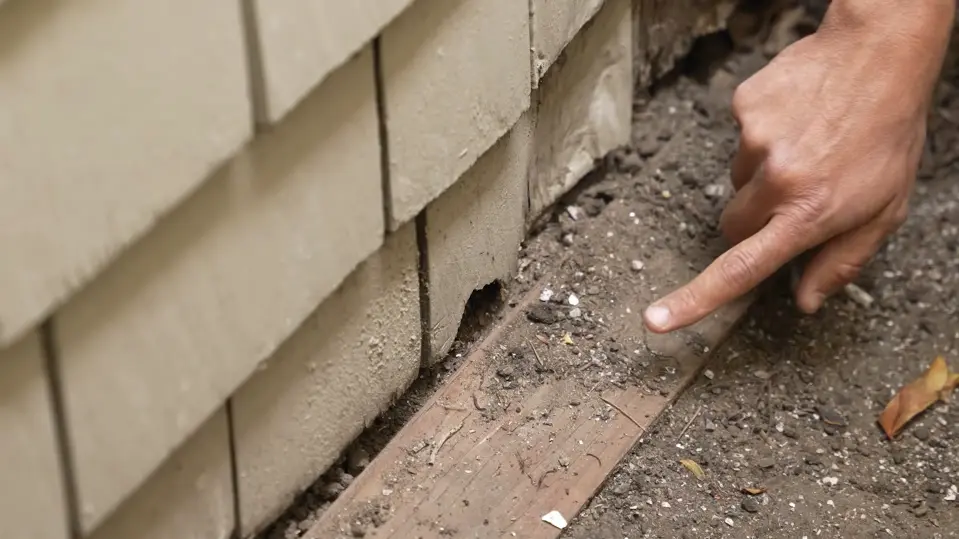
Biology of the Rodent Kill: Why Neophobia Dictates Trap Strategy
Rats differ significantly from mice in their cognitive response to new objects. While a house mouse (Mus musculus) is naturally curious and investigates new traps within minutes, a roof rat (Rattus rattus) will avoid a newly placed trap for 24 to 72 hours.
If a trap is improperly positioned or trips prematurely without capturing the animal, the rat becomes trap-shy. It will refuse to approach any mechanical device of similar appearance for weeks.
To overcome neophobia:
- Pre-Baiting Protocols: In complex, multi-family, or commercial environments, we often establish un-set baited stations for 48 hours. Once rodents accept the food source as safe, the triggers are armed, achieving maximum population extraction in a single evening.
- Dual-Directional Perpendicular Sets: Traps are set in pairs, facing opposite directions along beam runways. When a rat sprints along a ceiling rafter, it cannot leap over the trigger without landing directly on the strike plate.
- Scent Neutralization: Technicians handle all trapping hardware wearing clean nitrile gloves to prevent human skin oils, tobacco smoke, or pet scents from contaminating the strike surfaces.
Mechanical Trapping vs. Bait Stations vs. Sticky Glue Boards
| Feature | Friendswood Rodent Shield Trapping | Chemical Bait Stations | Glue Boards |
|---|---|---|---|
| Carcass Accounting | 100% accounted for and extracted | 0% accounted for; die inside walls | Incomplete; large rats pull free |
| Dead Animal Smell Risk | Zero | Extremely high | High |
| Pet & Wildlife Safety | 100% safe; zero chemical toxins | Dangerous secondary poisoning risk | Low toxicity, but cruel and messy |
| Humane Standard | Instantaneous mechanical kill | Painful death over 5 to 7 days | Inhumane; animal starves or suffocates |
| Eradication Speed | 3 to 7 days for full colony extraction | 2 to 4 weeks of continuous poisoning | Ineffective for mature roof rats |
| Secondary Pests | Zero blowfly attraction | Attracts maggots and flies inside walls | Dead animal draws ants into home |
Trapping Service Timelines & Diagnostic Process
- Day 1: Strategic Deployment: Technicians map runways and deploy 12 to 24 commercial traps in prime travel lanes throughout the attic, crawlspace, and utility voids.
- Days 2 to 4: Peak Population Extraction: Over the first 72 hours, dominant colony members are captured. Technicians inspect trap lines, record data, and remove all carcasses.
- Days 5 to 7: Secondary Extraction & Verification: Cautious juvenile and submissive rodents are targeted. Trap lines remain armed until multiple nights pass with zero trigger trips or bait disturbances.
- Day 8: Transition to Permanent Exclusion: With the internal colony eradicated, exterior structural barriers are sealed shut to prevent new invaders.
Frequently Asked Questions About Rodent Trapping
How many traps do you typically set in a residential attic?
For an average 2,500 square foot home, we deploy between 14 and 24 mechanical traps. Overwhelming the rodent population with multiple trap stations across every active runway ensures rapid eradication within days rather than dragging out the process over months.
What happens if a trap goes off in the middle of the night?
Our high-impact traps are positioned within deep attic insulation and along remote structural joists. While you may hear a muffled click if you are awake in a silent bedroom directly beneath the trap, you will not experience loud noises or ongoing thrashing. The mechanical strike is immediate.
Will trapping alone solve my rodent problem permanently?
No. Trapping only extracts the rodents currently inside your home. If the exterior builder gaps, roof vents, and AC chases remain open, new foraging rats from outdoor oak trees will enter your attic within weeks. Trapping must always be paired with structural exclusion to achieve permanent protection.
Bait Chemistry & Attractant Lure Rotation in Gulf Coast Climates
A critical mistake made by inexperienced exterminators is deploying generic, grain-based retail baits year-round. In suburban Friendswood, roof rats have constant access to sweet berries, bird seed, and garden vegetation. A dry pellet of rodent bait fails to compete with natural food sources.
Our technicians apply animal behavioral nutrition principles to select trap lures based on seasonal temperature and metabolic demands:
1. High-Protein Winter Lures (November to February)
During colder winter months, rodents burn substantial metabolic energy maintaining body heat within drafty attics. During this period, we deploy rich, lipid-dense protein lures: roasted peanut paste, unsalted bacon drippings, and dried animal tallow. These high-calorie scent profiles trigger intense feeding competition among dominant colony members.
2. High-Moisture Summer Lures (June to August)
When Texas temperatures exceed 95 degrees and attic heat indices climb past 130 degrees, rodent priorities shift entirely toward water conservation. Attics become furnace-like environments. During summer heatwaves, dry baits are completely ignored. We deploy high-moisture attractants: fresh sliced melon rind, apple compote, and water-retaining vegetable fats placed directly above ceiling AC vents where condensation gathers.
3. Nesting Material Lures for Breeding Females
Pregnant female roof rats and mice are often more motivated by structural nesting material than food. Along active wall chases, we deploy mechanical snap traps baited with sterile dental cotton, shredded burlap, and unraveled wool yarn. Female rodents attempting to gather soft bedding to line nursery chambers trip the triggers instantly.
The Engineering of Expanded Trigger Snap Traps
Standard wooden snap traps found in hardware stores have tiny metal trigger plates that measure less than half a square inch. A rat can easily step over or reach around the trigger to lick bait without setting off the strike bar.
We exclusively utilize commercial expanded-trigger mechanical snap traps constructed of high-density ABS polymer:
- Quad-Directional Sensitivity: The expanded trip plate covers over 60% of the trap’s surface area. Whether a rodent approaches from the left, right, front, or steps on the edge while leaping, the trigger fires instantaneously.
- Calibrated Spring Tension: Commercial traps feature heavy high-carbon steel torsion springs calibrated to deliver 12 to 14 pounds of immediate kinetic impact. This guarantees instantaneous cervical dislocation, preventing suffering and eliminating trap drag where an injured animal retreats into an inaccessible wall void.
- Non-Porous Surface Sanitization: Unlike porous wooden trap bases that absorb urine, blood, and human skin oils, our heavy plastic bases are thoroughly sterilized with enzymatic biocides between service deployments. Traps carry zero human scent, completely bypassing rodent neophobic avoidance.
Step-by-Step Attic Trapping Execution Guide
When our technicians enter an attic for an active trapping program, they execute a disciplined, four-step protocol:
- Runway Mapping: Technicians walk ceiling joists using 1,200-lumen inspection lights, marking all dark sebum grease trails, fecal clusters, and insulation compression channels.
- Perpendicular Paired Sets: Traps are fastened in pairs facing opposite directions along the top of 2x4 joists, water pipe runs, and AC flex duct hangers. Setting traps in pairs ensures that regardless of which direction an animal travels along the narrow beam, it encounters a strike plate.
- Daily Extraction Logs: Traps are checked on a scheduled timeline. Every animal captured is logged by species, approximate age, and sex. Logging allows technicians to calculate colony depletion rates and confirm when breeding females have been eradicated.
- Final Activity Clearance: Trap lines remain armed and monitored until the structure achieves multiple consecutive inspection cycles with zero movement, zero bait theft, and zero acoustic activity.
Frequently Asked Questions About Mechanical Trapping
How quickly can a severe roof rat colony be trapped out?
In a standard residential home with an active colony of 6 to 12 roof rats, 70% of the population is typically extracted within the first 48 to 72 hours. Complete population extinction, including cautious juvenile rodents, is usually accomplished within 5 to 8 business days when paired with prompt exterior exclusion.
Why do you check traps instead of leaving them for weeks?
Leaving trapped carcasses in an attic in Texas heat creates immediate secondary pest emergencies. Within 24 hours, decomposing rodents attract flesh flies, carpet beetles, and maggots, while releasing severe putrefaction odors into your ceiling insulation. We inspect and clear trap lines promptly to maintain a sanitary indoor environment.
Do mechanical traps pose any danger to my children or indoor pets?
No. All mechanical trapping is conducted strictly inside unoccupied structural voids: upper attic framing, locked crawlspaces, and enclosed wall chases behind access hatches. We never place exposed snap traps in living rooms, hallways, or outdoor areas accessible to children, cats, or dogs.